Best U.S. Markets to Virtually Wholesale Real Estate in 2026
Posted on Feb 28th, 2026 · Published by the DealFlowOS team

Quick answer
If you want markets where virtual wholesaling is most likely to work in 2026, start here:
- Cleveland, OH
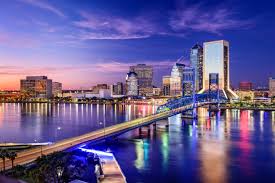
- Jacksonville, FL
- Atlanta, GA
- Orlando, FL
- Las Vegas, NV
- Chicago, IL
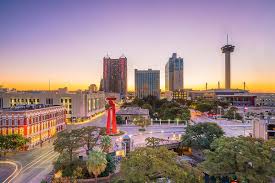
- San Antonio, TX
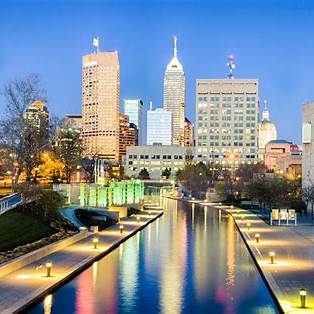
- Indianapolis, IN
These markets tend to have a solid mix of:
- Active investor buyers (people who actually close)
- More negotiation room (more canceled deals can push sellers to negotiate, giving buyers more leverage)
- More motivated-seller pressure (foreclosure pressure is one useful proxy)
The U.S. market has also been becoming more buyer-friendly lately (more sellers than buyers in many areas). When sellers have more competition, you usually get more room to negotiate.
What makes a market good for wholesaling? (3 numbers, no jargon)
Think of wholesaling like a simple game:
1) Buyer demand (Are there cash buyers?)
One easy proxy is investor market share — what % of homes are being bought by investors. If investor share is higher, it usually means more potential buyers for your contract.
2) Discount potential (Can you get it under market?)
A quick proxy here is contract cancellations. If a market has a lot of deals that fall through, it often means buyers are picky and sellers have to adjust. That can create discounts — which is where wholesaling lives.
3) Motivated seller pressure (Are people forced to sell?)
One proxy is foreclosure rate. It's not the only signal, but it's real pressure. More pressure usually means more people who need a solution fast.
The 2026 shortlist (and why each one made the cut)
Important: no market is guaranteed. This list is just where the ingredients show up more often.
1) Cleveland, OH (best “numbers” mix)
- Investor share: 22%
- Cancellation rate: 17.9%
- Foreclosure rate: 1 in 187
Why it's strong: buyers exist, sellers have pressure, and there's room to negotiate.
2) Jacksonville, FL (pressure + buyers)
- Investor share: 17%
- Cancellations: 17.3%
- Foreclosure rate: 1 in 200
Watch-out: Florida insurance and HOA costs can wreck your buyer's budget. Your buyer list needs to be real.
3) Atlanta, GA (big market, lots of action)
- Investor share: 18%
- Cancellations: 18.5%
- Reported: ~80% more sellers than buyers (more sellers competing can mean more leverage)
Why it's strong: huge market, lots of transactions, lots of investor activity.
4) Orlando, FL (good on paper, but pick your deals)
- Investor share: 19%
- Cancellations: 17.3%
- Foreclosure rate: 1 in 217
Note: investor purchases reportedly fell there (insurance and HOAs can matter). How to use Orlando: it can be good for finding contracts. Just don't assume every deal will move easily. Tighten your numbers and make sure you can sell the contract quickly.
5) Las Vegas, NV (volatile but workable)
- Investor share: 21%
- Cancellations: 16.8%
- Foreclosure rate: 1 in 210
Note: investor purchases reportedly fell sharply YoY. Rule in Vegas: don't lock up thin deals. If you can't explain the spread in 20 seconds, pass.
6) Chicago, IL (volume = more chances)
- Investor share: 13%
- Foreclosure rate: 1 in 214
Why it's strong: it's big. More volume usually means more opportunities, especially if you're consistent.
7) San Antonio, TX (buyer's market vibes)
- Cancellations: 21.2% (highest on the list)
- Also ranked among stronger buyer's markets (more sellers than buyers)
Why it's strong: negotiation room. Risk: when buyers are cautious, weak deals don't move. Clean numbers only.
8) Indianapolis, IN (beginner-friendly and steady)
- Ranked #1 on a 2026 wholesaling city list by DealMachine
- Indiana also showed up in ATTOM's top states by foreclosure rate in 2025
Why it's strong: usually less hype pricing than coastal metros, and the deals can pencil more often.
The simple math: why some markets feel impossible
Wholesaling is basically spread hunting. If there's no spread, you're doing extra work for free. A common quick check is “70% rule” style math.
Expensive market example (hard mode)
Say ARV is $900,000 and repairs are $80,000.
Step 1: 70% of ARV — 0.70 × 900,000 = 630,000
Step 2: Subtract repairs — 630,000 − 80,000 = 550,000 (rough MAO)
If sellers in that market won't come anywhere near about $550k, it's not a motivation problem — it's a math problem. This is why very expensive metros often feel like you're negotiating with a brick wall.
More affordable market example (easier to find spread)
Say ARV is $250,000 and repairs are $40,000.
Step 1: 70% of ARV — 0.70 × 250,000 = 175,000
Step 2: Subtract repairs — 175,000 − 40,000 = 135,000 (rough MAO)
Now it's more realistic to find a motivated seller who can accept around $110k–$130k. That's where assignment fees usually exist.
Reality check: the U.S. median sale price was reported around $422,980 in Jan 2026. If your market is way above that, wholesaling usually gets tighter (not impossible—just tighter).
How to pick your market in 30 minutes (virtual setup)
Pick 3 markets from the shortlist above. For each market, verify:
- Investor activity is real (investor share / cash buyer presence)
- Negotiation room exists (buyer's market signals / cancellations)
- Motivated sellers exist (foreclosure pressure is one signal)
Call 2 local title companies and ask:
- “Do you close assignments often?”
- “Any rules or paperwork issues I should know about?”
Build a buyer list of 20–50 real buyers before you go heavy on contracting. That last step sounds boring. It's also the difference between “I'm stuck under contract” and “I assigned it fast.”
FAQ
Do these markets guarantee deals?
No. They just increase your odds because the inputs (buyers + negotiation + seller pressure) show up more often.
Is virtual wholesaling legal everywhere?
Rules vary by state and how you market the deal. If you're unsure, ask a local real estate attorney before you scale.
Why do cancellations matter?
More cancellations usually means buyers are cautious and have options, which often forces sellers to negotiate.
Why mention foreclosures?
Foreclosures are one indicator of seller pressure. More pressure usually means more people need a solution quickly.